
Rental concessions are unprecedentedly generous, ushering in a golden opportunity for tenants to 'move up'
The U.S. multifamily housing market is experiencing a wave of rent concessions driven by a surge in new supply and high interest rates. Developers, aiming to boost occupancy, are offering concessions such as up to three months of free rent, luring tenants from Class B apartments to newer, more amenity-rich Class A properties. Executives from REITs like UDR, MAA, and Camden, along with RealPage economists, confirm this trend and analyze its causes and implications.
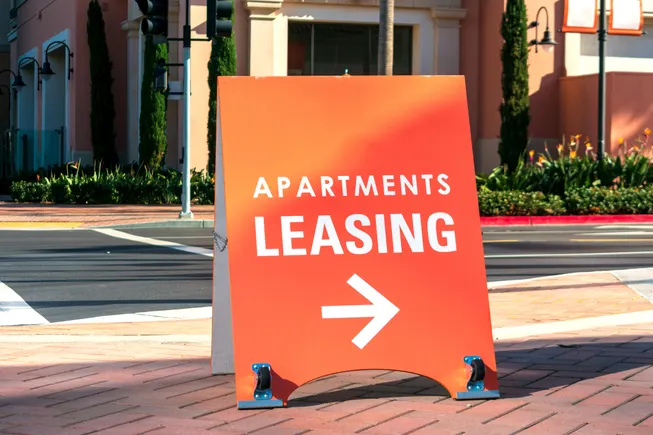
Tom Toomey has spent 30 years in the apartment industry, experiencing the tech bubble burst in the early 2000s, the real estate bubble in the mid-2000s, the global financial crisis, and the COVID-19 pandemic. However, what happened this fall was something even this veteran UDR CEO had never seen: commercial developers began cutting prices and offering concessions on newly completed apartment projects, putting pressure on older properties that typically don't compete with new supply.
"This dynamic and its impact on our Class B communities is particularly unexpected and unprecedented in my 30-year career in multifamily housing," Toomey said during the REIT's third-quarter earnings call, held in Highlands Ranch, Colorado.
Toomey is not alone in noticing this trend. Other apartment owners and industry analysts are also surprised by the trickle-down effect of concessions into Class B asset portfolios in high-supply markets. Nevertheless, many expect this impact to be short-lived.
The impact of Treasury yields
Over the past year, new apartment deliveries have continued to increase. But in the third quarter, this trend accelerated. Zillow recently reported that 30% of rental listings in October offered at least one concession, up from 24% a year earlier and 25% in June, the highest level since June 2021.
Why did concessions surge so quickly? Executives at Memphis-based REIT MAA pointed to Treasuries during the company's recent earnings call. When the 10-year Treasury yield approached 5% in October, hopes for a quick drop in interest rates were dashed. Developers suddenly felt pressure to reach 90% occupancy by year-end to sell properties or secure long-term financing.

"I think (leasing pressure) has become more intense due to the interest rate environment," said MAA CEO Eric Bolton. "So, it's reflected in more competitive pricing strategies to attract new residents and leasing traffic."
Up to three months free rent
Currently, Camden Property Trust CEO Ric Campo observes that in markets like Nashville and Austin, Texas, where new supply is as high as 6% of existing inventory, concessions peak at three months free rent. In other Sun Belt markets like Charlotte, developers are offering four to six weeks free rent.
"There's an old joke in the commercial development community: you don't want to be the last one on the street offering three months free rent," he said during the Houston-based REIT's third-quarter earnings call.
Once free-rent promotions reach three months, it's equivalent to a 25% discount on a 12-month lease, making brand-new apartments seem like a good deal to many consumers.
"When these new projects offer two or three months free rent, their rents are already quite close to the existing market," Jay Parsons, senior vice president and chief economist at RealPage, told Multifamily Dive.

For renters living in buildings that are 10 or 20 years old, these concessions could suddenly make upgrading to a higher asset class affordable.
"If there's a newer rental project with better amenities, and after concessions it's only 5% or 10% more expensive than their current rent, renters will think: 'I'll pay a little more, but I can afford it,'" Parsons said. "Obviously not everyone can, but a portion can, and this is actually drawing people away from Class B and Class A- properties."
"Unexpected twist"
In submarkets where apartment unit supply grew by 10% or more in the 12 months ending September 2023, effective Class B rents fell 3.7%, a trend RealPage called the "most unexpected twist" in the multifamily sector this year in an article. In comparison, Class A rents fell 1.5% and Class C rents fell 0.8%.
In submarkets with supply growth of 5% to 10%, Class B rents fell 2%, Class A fell 0.6%, and Class C fell 1.5%.

These trends were amplified in recent REIT earnings calls. For UDR, Class A properties outperformed Class B by about 170 basis points in new lease growth, according to Mike Lacy, senior vice president of operations at the company.
"This is quite different from what we experienced in the second quarter, and frankly, different from what we expected," Lacy said. "In the second quarter, Class B outperformed Class A by 110 basis points in new lease growth."
Silver lining
The rent cuts clearly hurt Class B apartments, but the upgrade wouldn't happen if renters couldn't afford it.
For UDR, the traditional rent gap between newly delivered properties and Class B properties is 20% to 30%. With concessions, this gap narrows to 10%, about $250 per month.
"You'll see consumers say: 'I can afford an extra $250 a month,'" UDR President and CFO Joe Fisher said on the third-quarter earnings call. "So, that speaks to their strength, cash position, and financial capacity."
RealPage data shows a median rent-to-income ratio of 23%, indicating many renters have enough income to pay an extra $200 per month if they see a brand-new property in a good location with great amenities. "All of this appeals to middle- and upper-income renters who can afford it," Parsons said.

Although new supply provides renters with an upgrade opportunity and gives them a much-needed respite from the rent increases of the past few years, it doesn't solve all of the nation's housing and affordability problems. In some places, it's only short-term relief.
"This is a short-term supply-demand imbalance," Parsons said. "We're going to build a million units this year and next, and it's hard to generate that much demand in such a short time. But eventually, demand will catch up."
Clickhereto subscribe and receive multifamily and apartment news like this every business day.