
U.S. Bipartisan Housing Bill Officially Takes Effect, the Most Significant Legislation in Decades
After months of back-and-forth between the two chambers and a presidential veto standoff, the 21st Century Housing Road Act officially became law at midnight on July 11. The bill aims to expand housing supply, cut regulations, restrict large institutional investors from buying single-family homes, and ultimately lower housing costs. Representative Josh Harder called it the most important housing legislation since 1974. Although industry insiders believe the bill is not a panacea, they generally view it as a major step forward in federal-level housing construction.
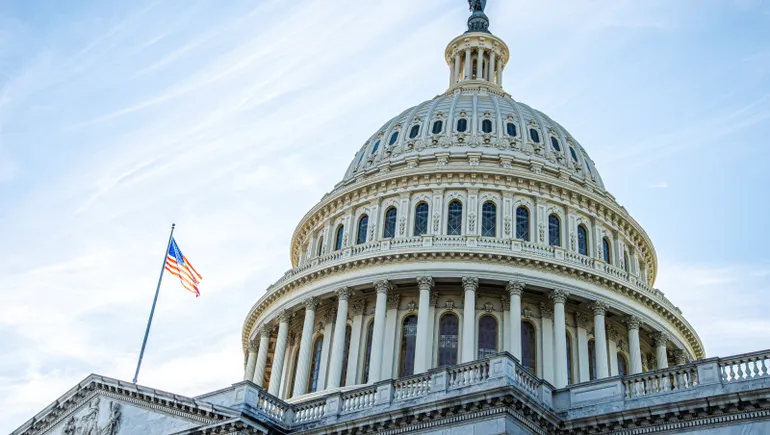
In a rare display of bipartisan cooperation, one of the most landmark housing bills in decades has officially become law.
The 21st Century Housing Roadmap Act was officially authorized at midnight on July 11. This followed months of negotiations between the Senate and House, and the President's last-minute refusal to sign it in June. The new law aims to expand housing supply, streamline regulations, limit large institutional investors from purchasing single-family homes, and ultimately reduce housing costs.
California Democratic Congressman Josh Harder was deeply involved in pushing the bill forward. He told Multifamily Dive that this is the most significant housing legislation since Congress approved Section 8 housing assistance and Community Development Block Grants in 1974.
"It's been a long time since then, and this legislation was urgently needed. I believe it will bring tremendous benefits," Harder said.
Despite previously expressing support, President Donald Trump abruptly canceled the scheduled signing ceremony on June 24, stating he would not approve the housing bill until the unrelated voter ID law, the SAVE America Act, was passed. Since Trump neither signed nor vetoed the bill, it automatically became law 10 days (excluding Sundays) after being sent to the President, according to U.S. law.
Both parties had been eager to pass the legislation before the midterm elections. Despite some key differences between the two chambers' versions, the House passed the bill on June 23 with a vote of 358 to 32, following the Senate's approval on June 22 with a vote of 85 to 5.
The housing industry also showed great enthusiasm for the bill. On June 23, a coalition of 227 pro-housing organizations sent a letter to Congress thanking lawmakers for their work: "This is the bill that the pro-housing community hoped for and fought for. It is the best federal initial action we could ask for to maximize housing supply."
Shamus Roller, CEO of the National Housing Law Project, told Multifamily Dive that the bill should help build more housing and make housing programs operate more smoothly. However, Roller said more work is still needed to address affordability issues, especially for those most in need.
"This bill is not a silver bullet, right? It won't fundamentally change the housing market conditions that most people across the country are seeing," Roller said. "Structural challenges remain and are not really addressed by this bill."
Nevertheless, Hugh Frater, Chairman of the Board of mission-driven real estate company Vessel Technologies and a board member of the Bipartisan Policy Center, believes the law is an important step in the right direction.
"There is a clear theme in the bill, which is recognizing that we haven't been producing enough housing, and that we can and should do something to change that," Frater said. "Many housing challenges need to be addressed at the state and local level, not the federal level, but I think this is an excellent recognition of some of the things the federal government can actually do to facilitate more housing construction."
A result of bipartisan cooperation
Dennis Shea, Executive Vice President of the Terwilliger Center for Housing Policy at the Bipartisan Policy Center, said this legislation demonstrates what is possible when Congress works together. The organization has been advocating for many of the key measures reflected in the bill.
"This bill becoming law is a true milestone—I don't use that word lightly. Getting Congress to act on housing supply and affordability has been long overdue," Shea said in a statement. "But this moment calls for both celebration and urgency. The hard work of implementation is just beginning, and many issues still need to be resolved."
Harder said a generation of young people are living on their parents' couches because they can't afford their own homes. The fact that this housing bill may be the only major new legislation passed by this Congress is a sign that this is what the American people are demanding.
"This is an era where Congress is known for being extremely polarized and inefficient, so to be able to accomplish something like this, I think it's a huge, huge statement that we can still get important work done," Harder said.
Harder, founder of the bipartisan "Building America Caucus," said the caucus proposed nearly all the ideas in the final package. The group believes it has become too difficult to build infrastructure and housing projects in America.
"We really guided it at every step, especially when the Senate added the 'build-to-rent' ban and some institutional investor provisions. We were deeply involved and led a bipartisan letter that eventually had 76 members join," Harder said. "In the end, we managed to remove the most harmful parts of that provision."
That measure added by the Senate would have forced institutional investors to sell their 'build-to-rent' single-family homes within seven years. The housing industry warned that this would effectively eliminate BTR housing production and lead to higher rents and home prices. Although it was a major sticking point, the two chambers eventually reached an agreement, exempting BTR projects in the final version of the bill.
"There were many other challenges and issues we had to resolve regarding what was actually included, but so far, I think the biggest fight was ensuring that something important and ambitious could even happen in this political environment," Harder said.
Clickhereto sign up to receive multifamily and apartment news like this in your inbox every business day.