
Texas Apartment Investment Faces Pressure in High-Supply Market; CONTI Capital CEO Discusses Financing and Operational Challenges
In an interview, CONTI Capital CEO Carlos Vaz revealed that its apartment portfolio shrank from 14,000 units in 2020 to about 3,000 units, actively selling at market peaks. Currently, new project prices in markets like Austin, Texas are 30%-40% below replacement costs, but negative rent growth pressures holding-period cash flow. Dallas and Houston are relatively optimistic, while Austin is the slowest to recover. He also discussed operational costs such as interest rates, oversupply, property taxes, and insurance.
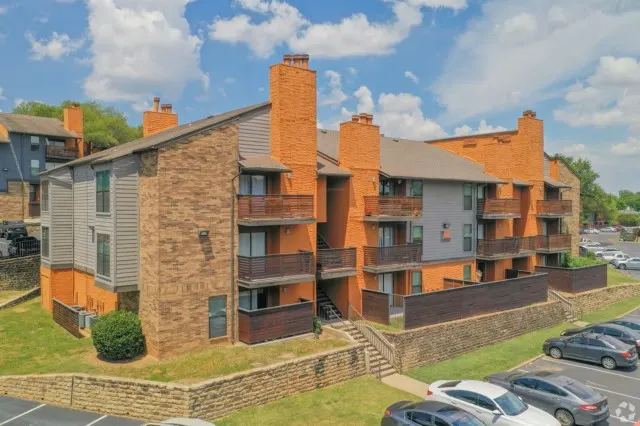
In 2020, Carlos Vaz's multifamily portfolio had 14,000 apartments in Texas; today, that number has shrunk to about 3,000. Vaz says the reduction wasn't forced—he chose to sell at market highs, and he doesn't regret it.
"We sold a lot," Vaz said. "We've had issues with our own properties too. But we believe this is one of the best times to buy, and we've been working very hard to find deals."
However, Vaz, founder and CEO of apartment owner CONTI Capital, notes that closing acquisition deals isn't easy right now, and investment hurdles vary by market.
In Austin, for example, new properties can be priced 30% to 40% below replacement cost, but there's a key issue.
"On one hand, the prices are exciting," Vaz said. "But on the other hand, rent growth is so negative. You think, 'How long do I have to hold this project before I can see positive cash flow again?' That's the dilemma we face."
Although underwriting is relatively easier in Dallas and Houston, challenges remain. "In those markets, it's not easy either," Vaz said. "If interest rates are too high and there's a chance of further hikes, things could get worse."
Here, Vaz discusses with Multifamily Dive the impacts of high interest rates, oversupply, and rising operating costs.
This interview has been edited for brevity and clarity.
MULTIFAMILY DIVE: What do you think is causing the current difficulties for apartment owners?
CARLOS VAZ: We went from near-zero interest rates to over 500 basis points. It's like driving on the highway at 20 miles per hour and then suddenly accelerating to 160—something's bound to go wrong, right?

Looking back around 2021, any report on Austin showed rent growth of about 7% or 8%—very strong. At the same time, interest rates were extremely low. The Fed was bound to raise rates eventually, but the pace was too fast. Jumping from about 3% to 7% or 8% was highly disruptive.
When do you think the market will improve?
The market is self-correcting. Many times, even if you're the best operator, there's not much you can do. Valuations in 2021 and 2022 are vastly different from now, and the shock to the market has been enormous. I think we'll face more issues before we get out of this.
But apartment owners and operators face other issues too, right?
On top of that, there's oversupply, like in Phoenix and Nashville. Colorado isn't looking good either, with very negative rent growth. This isn't just a Texas problem; it's a macroeconomic issue we're dealing with.
How does oversupply affect you?
I mainly talk about Austin because we know that market very well. There's so much new supply that you have to offer big concessions. Along with that comessignificantly higher marketing costs, because you need to compete for new tenants and find different marketing approaches to attract people. It's a challenge.
Which Texas markets have recovered best after oversupply?
It's very localized. For example, Denton's situation is almost similar to Austin's. Round Rock might be one of the first areas to see positive rent growth again. Within each metropolitan statistical area (MSA), recovery speeds vary. Dallas and Houston will certainly lead, while Austin will lag.
But in places like Denton, not only is there oversupply, but that submarket needs faster growth. Currently, the number of international students at the University of North Texas hasdropped significantly, which has severely impacted the local economy because the university is a major economic hub. If enrollment isn't strong, the local economy suffers, and recovery takes longer.
Are property taxes a bigger issue in Texas?
It depends on the specific county. Property taxes have never been easy. In Texas, they typically account for 30% to 40% of operating expenses. Additionally, payroll costs have risen significantly, and so have employee health insurance premiums.
How are you managing other expenses?
It's interesting. Initially, insurance premiums went up, but now they've come down a bit—that's lucky. Hopefully, hurricane season stays quiet. Clickhereto subscribe and receive similar multifamily and apartment news every business day.