
Multifamily Housing Starts Decline in July Amid Persistent Market Headwinds
Multifamily housing starts dropped 7.1% year over year in July, with completions down 25.6%, according to HUD and the U.S. Census Bureau. Permits for multifamily units rose 6.3% annually, signaling future activity. Regional data show multifamily driving construction in the Northeast and West, while total starts fell sharply in the Midwest and South. Builders face rising costs, labor shortages, and financing pressures, though rental demand remains resilient.
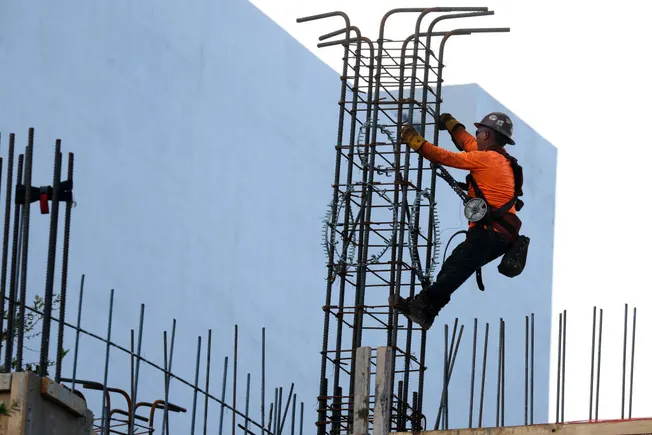
Multifamily housing starts fell in July on both a monthly and yearly basis, according to the latest residential construction report released Tuesday by the U.S. Department of Housing and Urban Development (HUD) and the U.S. Census Bureau.
In July, the seasonally adjusted annual rate for starts of buildings with five units or more stood at 421,000, down 7.1% year over year and 15.6% lower than June. Single-family construction declined more sharply, falling 15.7% year over year.
Total privately owned housing starts reached a seasonally adjusted annual rate of 1.24 million units in July, 13.5% below the year-ago level and 12.4% lower than June.
Fewer new apartments came online last month. Multifamily project completions were at a seasonally adjusted annual rate of 329,000 in July, down 14.8% from June and 25.6% lower than a year earlier.
Multifamily building permits, which signal future construction activity, were at a seasonally adjusted annual rate of 490,000 in July. That figure is 9.1% higher than June and 6.3% higher than the same period last year.
Regional Variations in Construction Activity
On a regional basis, the Northeast saw by far the highest level of housing construction activity, with total starts up 62.4% year over year. Single-family starts in that region were down 18.9% year over year, indicating that multifamily drove most of the new construction in that area.
In the West, total starts rose 5.3% year over year in July, while single-family starts fell 20.7% year over year, suggesting that much of the new construction activity in the West was also multifamily.
By contrast, total housing starts in July were down 27% year over year in the Midwest and down 24.1% year over year in the South, with single-family building activity more robust in both regions.
What’s Weighing on Builders
Economic uncertainty, rising construction prices, labor shortages, and elevated financing costs challenged home builders in July, according to the National Association of Home Builders (NAHB).
“Higher mortgage rates are keeping many prospective buyers on the sidelines, while rising material, gas and diesel costs are adding to the cost of construction. These challenges are making it increasingly difficult for builders to deliver homes at prices that buyers can afford,” Bill Owens, chairman of NAHB and a home builder and remodeler from Worthington, Ohio, said in a Tuesday release.
Construction input prices were up 7.4% in July from the previous year, according to an analysis of the latest U.S. Bureau of Labor Statistics data by Associated Builders and Contractors, released Aug. 13. Lower energy costs—particularly crude petroleum and unprocessed energy materials—helped subdue the overall monthly increase last month, as reported by Construction Dive. However, oil prices are rebounding, while prices for certain key materials like lumber, iron, and steel continue to increase, portending higher construction costs in coming months.
Rental Demand Remains Resilient
Amid the difficult affordability landscape, rental housing remains a durable source of demand for homebuilders, particularly in markets with strong economies and persisting job growth, according to George Ratiu, vice president of research at the National Apartment Association.
“Year-to-date construction figures show that the multifamily pipeline remains active, even as financing and affordability pressures weigh on the broader market,” Ratiu said in emailed comments. “As the 21st Century ROAD to Housing Act moves toward implementation over the next year, it could help bring more affordable homes online across both multifamily communities and single-family build-to-rent neighborhoods.”
Click here to sign up to receive multifamily and apartment news like this article in your inbox every weekday.